The best lip augmentation doesn’t introduce new lips, it reveals the ones you should have had all along. Precision lip filler is less about volume and more about proportion, balance, and the tiny adjustments that make a mouth look healthy, hydrated, and expressive. When patients bring in inspiration photos, I often ask them to set those aside after we look together. The goal is not to copy a stranger’s lips, but to refine your own features so they feel coherent with your face in motion, not just in a still image.
What “natural” really means
Natural lip filler is not a specific product or a single technique. It’s an approach that prioritizes facial harmony, dynamic movement, and restraint. To an expert, “natural” shows up in the Cupid’s bow that still looks like a bow, the philtral columns that remain crisp rather than flattened, and corners that lift without a permanent smile. It means no shelf along the lip border, no overfilled “duck” profile, and no blocked light reflection. If you notice a person’s lips before you see their face, something is off.
Precision lip filler is about allocating milliliters wisely. A common beginner lip filler plan might use 0.5 to 1.0 mL split across the upper and lower lip, with more emphasis on definition than bulk. For subtle lip filler, we might even start with 0.3 mL and reassess in two to four weeks. Patients are often surprised by how much difference a tenth of a milliliter makes when it’s placed with intention near the vermilion border or the lateral tubercles.
Anatomy drives aesthetic choices
The lips are not balloons, they’re layered structures. Understanding those layers matters for safe lip filler and predictable lip filler results.
The skin is thin and finely vascularized. Below it lies the orbicularis oris muscle, a circular muscle that puckers and shapes the mouth. The vermilion is the pink part of the lip, and it has subtle subunits: a central and two lateral tubercles on the upper lip, and a broader, often fuller lower lip with a central depression. The white roll, or vermilion border, frames the mouth. The philtral columns give the upper lip its vertical definition, while the Cupid’s bow peaks influence how feminine or youthful a mouth appears.
Each of these regions responds differently to lip injectable filler. The border takes product for definition, but too much creates a shelf and restricts natural movement. The body accepts soft, flexible gel for hydration and gentle volume. The columns can be supported, not carved. And the corners tend to need a touch for lift if a patient’s baseline anatomy turns downward.
Product matters, but technique matters more
There is no single best lip filler for everyone. Hyaluronic acid lip filler remains the workhorse for lip enhancement because it integrates into tissue, holds water for lip hydration, and can be reversed with hyaluronidase if needed. Within HA lip filler families, rheology varies. We look at G prime (firmness), cohesivity (how the gel holds together), and flexibility. A formula that excels at cheek structure is rarely the right choice for the lip body.
Brands like Restylane lip filler and Juvederm lip filler both offer excellent options, from soft, flexible gels designed for lip smoothing filler and lip hydration filler to slightly firmer gels supportive enough for lip border enhancement. Advanced lip filler planning might combine micro-aliquots of two products in one session, but often a single well-chosen HA lip filler is enough. I reach for a silky gel when the goal is lip rejuvenation in a patient with perioral lines, and a slightly more elastic option when the priority is shape and projection.
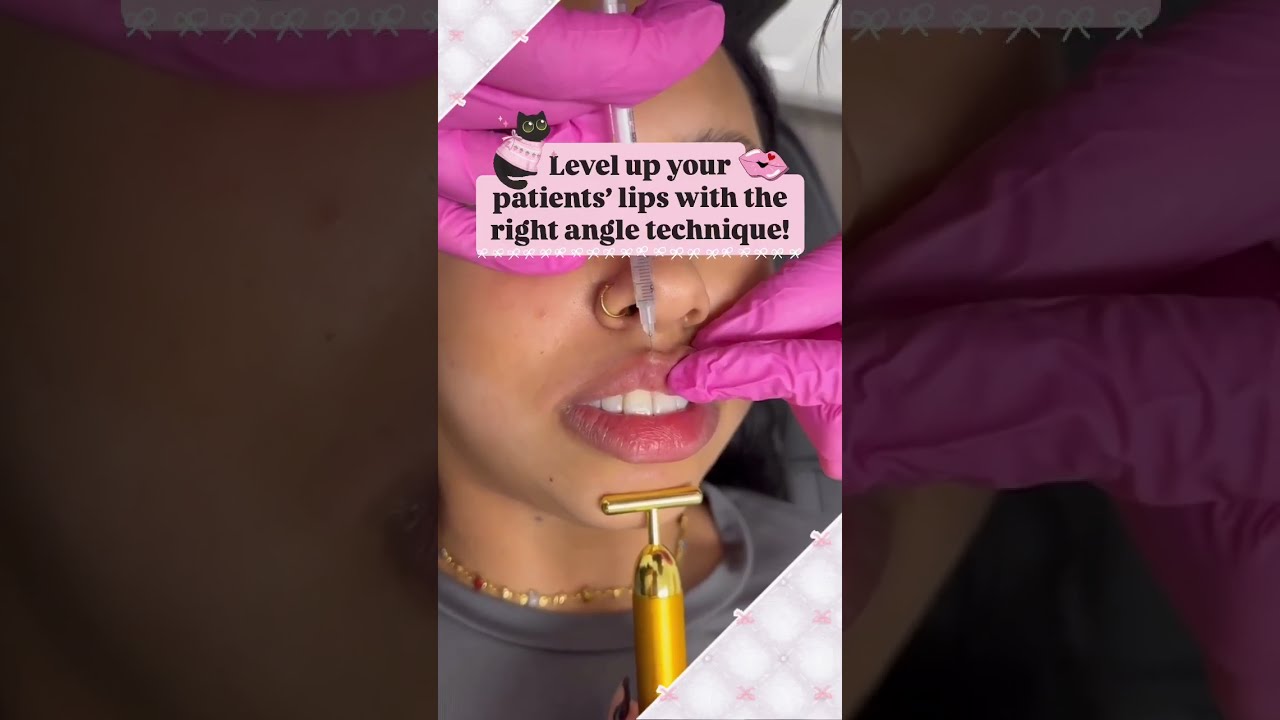
The real differentiator is lip filler techniques. Microthreading along the border can refine the outline without puffiness. Fanning in the wet-dry junction softens vertical lines. Small retrograde threads in the lateral lip can correct asymmetry without flattening the Cupid’s bow. A deep micro-bolus at the corner can gently lift, while maintaining natural creases. A precision lip filler plan prioritizes the sequence of these placements and limits the number of passes to reduce swelling and bruising.
Preliminary evaluation: what I look for in a consult
A lip filler consultation is not about selling syringes. It’s a quiet study of how your face behaves. I watch you talk, smile, and rest. Do the upper incisors show slightly when relaxed? That supports a softer, fuller upper lip. Is the lower third of the face short or long? A long third often benefits from cautious augmentation to avoid further elongation. Do the corners pull down at rest, or only when emoting?
I measure and photograph from multiple angles. The front view reveals symmetry and border definition. The oblique shows projection and profile. The side view can reveal a heavy lower lip that would look overdone if we matched the upper. The goal is not to chase perfect symmetry, which almost never exists, but to minimize distraction. One side might need 0.1 mL more to balance the other. That tiny difference matters.
We also confirm candidacy. Good candidates for lip enhancement treatment have realistic expectations, healthy skin, and patience for a two-stage plan if needed. Smokers or heavy vapers heal more slowly. Patients with active cold sores need prophylaxis. If a patient has prior lip filler, we discuss whether lip filler dissolving is warranted to remove old, migrated product before a fresh start. Dissolving is not failure, it’s refinement.
Planning the ratio and projection
The classic upper-to-lower lip ratio sits around 1:1.6, but faces vary. On a delicate face, a softer 1:1.4 can look balanced. Full lips are not always the right answer for a narrow jaw. Projection also matters. In profile, a refined upper lip should sit slightly behind the lower lip, with gentle anterior projection. If we overfill the border without supporting the body, the lip looks like a ledge. If we dump volume into the body without contour, it looks heavy and undefined.
I map injection sites mentally, sometimes with a white pencil. Lateral tubercles often need support, not just the center. The philtral columns may need a whisper of support to prevent flattening as the lip body grows. Corners receive tiny lift points when the mouth trends downward. I avoid the wettest mucosa for contour-building to reduce the risk of lumps.
Technique, instruments, and comfort
A steady hand matters more than the choice between needle and cannula. For precision sculpting of the border and Cupid’s bow, a fine needle gives tactile feedback. For the lateral body and to minimize bruising, a microcannula can be helpful. Most sessions combine both. Topical anesthetic reduces sting, and many HA fillers contain lidocaine, which helps as we go. Patients who fear discomfort often report the experience as a 3 to 4 out of 10, with the pinch concentrated at the border.
I inject slowly and aspirate when appropriate. I watch blanching and adjust to avoid intravascular compromise. The total volume in a first session rarely needs to exceed 1 mL. If more is needed after healing, we schedule a lip filler touch up in two to six weeks. This staged approach improves control and reduces swelling.
What to expect: the first 72 hours
Even the gentlest lip injectable treatment leads to some swelling. Day one is the fullest. Day two can look uneven as swelling shifts. Small bruises are normal. Cold compresses on and off for the first few hours help, but avoid pressure that could move product. I advise patients to skip intense workouts that raise blood pressure on day one, and to minimize alcohol and salty foods that drive swelling. Sleep with the head slightly elevated that first night.
You’ll feel firmness for several days. The gel settles, integrates, and softens. By the one-week mark, most people feel socially confident, and by two weeks, you see the lip filler before and after difference with clarity. If a small bump persists, I massage it myself during follow-up, or guide the patient in gentle rolling with clean hands. True nodules are uncommon with modern HA lip filler, and they can be treated if they appear.
Precision is restraint: knowing when to stop
New injectors often chase volume. Experienced injectors chase light. I look at how the white roll catches light, how the central highlight on the lower lip arcs, and whether the Cupid’s bow peaks reflect evenly. When those optics are right, I stop, even if a tiny bit of product remains. Overfilling clouds the highlights and shortens the philtrum visually, which ages the face.
Patients sometimes request a “lip pout enhancement” that pushes projection outward. It can work if balanced by support under the vermilion border and columns, but it fails when product is placed shallowly and repeatedly in the same line. That creates the “sausage” look. We avoid it by alternating depth, distributing to lateral subunits, and respecting the 1:1.4 to 1:1.6 ratio across sessions.
Special scenarios and edge cases
Athletic patients with low body fat often metabolize product faster and may need more frequent lip filler maintenance. Patients with strong orbicularis oris muscles, common in brass instrument players or heavy pursers, can compress filler and cause faster dissipation. In these cases, I choose a slightly more cohesive gel and prioritize structural support points.
Mature patients seeking lip rejuvenation usually benefit more from definition and hydration than from bulk. The aim is to restore the crisp border, smooth barcode lines with microthreads, and give the lip body a healthy sheen. A total of 0.5 to 0.8 mL often transforms without announcing itself. If perioral volume is depleted, tiny support in the chin or marionette area can improve the frame so the lips do not look isolated.
Asymmetry is common. A scar on one lateral tubercle, a congenital variation in philtral height, or dental irregularities can all tilt the mouth. Perfect symmetry is not usually achievable, but we can minimize the obvious imbalance with targeted micro-aliquots. In such cases, I chart exact volumes per subunit to replicate or refine at the next visit.
Safety first: risks, prevention, and response
All lip injections carry risks: bruising, swelling, tenderness, lumps, asymmetry, cold sore reactivation, and rarely vascular compromise. Choosing a professional lip filler provider reduces those risks because they know surface landmarks, vessel courses, and early warning signs. I work slowly, watch capillary refill, and keep hyaluronidase ready for immediate use if vascular compromise is suspected. Prompt recognition of blanching, disproportionate pain, or mottling matters.
Many patients ask about long lasting lip filler. HA lip fillers typically last 6 to 12 months in lips, sometimes less in high-metabolism individuals. Longer duration is not always better in a highly mobile area. Softer, flexible gels that move with expression often age more gracefully than firmer gels that can feel palpable as tissues change.
Before and after: how to judge quality
A good lip filler before and after is about more than size. Look for continuity of the white roll, a clean Cupid’s bow, and a lip border that remains crisp, not bulging. From the side, the upper lip should not jut ahead of the lower lip. In smiling photos, the product should not bunch or ridge. A successful lip enhancement procedure will look hydrated, soft, and quietly confident rather than trendy.
Patients sometimes bring screenshots of trending lip filler styles. Trends shift. The ombré top-heavy lip of one season gives way to a blurred, balmy look the next. I encourage patients to treat those images as color commentary, not a blueprint. Precision lip filler favors timeless proportion so you still like your lips when the trend cycle moves on.
Dissolving and correction: getting back to neutral
Lip filler correction and lip filler dissolving are part of responsible practice. If product has migrated above the vermilion border, softening the philtrum, dissolving the migrated product often restores better form than piling more filler to camouflage it. Hyaluronidase works within hours, and we typically wait at least a week before reinjecting to allow tissue to settle. For patients who inherited poor results elsewhere, a dissolve-and-refine plan can be the fastest path to natural looking lip filler.
Aftercare that actually helps
Simple habits make for smoother healing.
- Ice in short intervals on day one, head elevated the first night, and avoid heavy exercise for 24 hours. Skip lipstick for the day, then use clean, hydrating balm; avoid irritants like menthol. No dental appointments or facial massages for a few days to limit pressure on fresh filler. If you are prone to cold sores, take your prescribed antiviral as directed. Call your injector promptly if pain increases instead of improving, or if you notice unusual blanching or mottling.
How much volume is enough?
Most lip filler solutions use small volumes. For a first treatment, 0.5 mL to 1.0 mL covers the majority of goals: lip definition treatment, lip contouring, and mild lip volumizing treatment. Very thin lips or those with significant asymmetry may need a staged plan totaling 1.0 to 1.5 mL over two sessions. Pushing more in one sitting does not always improve results. It can increase swelling, lower precision, and reduce control over shape.
Patients often ask for affordable lip filler yet want premium lip filler outcomes. The most cost-effective approach is to start small, get the shape right, then maintain. A careful touch-up at 6 to 9 months typically needs less product than the first session. That maintenance mindset prevents the “up and down” cycle that can distort tissue over time.
What makes lips look expensive rather than overdone
Luxury lip filler is a feel more than a label. You see it in the way light moves along the border, how the lower lip catches a soft highlight in the center, and how the corners sit gently upturned without stiff angles. It’s the clean pronunciation that still feels comfortable, because the product respects the muscle underneath. Patients describe it as “I look like myself on a rested day,” which is the highest compliment.
That look comes from judgement, not volume. It comes from placing 0.05 mL in one lateral tubercle and then deciding to stop because the ratio reads right. It also comes from acknowledging when structural issues outside the lip need attention, like a retrusive chin or dental misalignment that affects lip posture. Precision lip filler zooms out, then back in.
Balancing hydration, shape, and structure
Three aims often compete in the same session: hydration, shape, and structure. Hydration comes from soft gels placed in the superficial lip body. Shape comes from defining the border and Cupid’s bow while keeping the philtral columns intact. Structure is deeper support along the base of the lip and the oral commissures. Trying to do all three aggressively in one visit courts swelling and reduces finesse. I often pick two to emphasize and leave the third for the touch-up.
For patients with lip lines, lip line filler using microthreads can soften etched lines without creating bulk. The trick is using tiny amounts across a fan pattern that follows natural creases, then letting the tissue settle for two weeks. Returning too soon risks chasing swelling rather than true shape.
Longevity and lifestyle
Lip filler longevity varies. Expect a general range of 6 to 12 months for HA in the lips. Sun exposure, high-intensity training, and fast metabolism can shorten that. Staying hydrated can influence how plumped a hydrophilic gel looks, but it won’t double longevity. For those who want consistent fullness, plan on a minor lip filler boost at the halfway point. Think of it as topping off your gas tank rather than running on empty and refilling from scratch.
Myths worth retiring
One myth says that lip injectables stretch the skin permanently. In practice, the amounts used in precision work are small, and HA draws water while also stimulating a bit of collagen where it sits. If a patient stops treatments, lips tend to return near baseline over months. Another myth says all fillers feel lumpy. The earliest days can feel firm, but a well-placed soft lip filler integrates and feels like you. Lumps that persist are usually preventable with proper product choice, gentle technique, and smart aftercare.
Building a plan that fits your face and your calendar
Most patients can return to work the next day with a hydrating balm and minimal makeup. For big events, schedule your lip filler procedure at least two weeks ahead, four if you want options for a micro touch-up. Photographers’ lights exaggerate shine and texture; allowing time for product to settle yields better photos. If you are considering a broader facial plan, a balanced approach might pair lip artistry with light cheek support or chin refinement to stabilize the lower third. Small changes in adjacent areas can reduce the pressure to overfill the lips.
What to ask during your consultation
Good decisions begin with good questions. Ask how the injector will tailor product choice to your tissue. Ask how they handle asymmetry and what their plan is if you don’t love a detail. Ask about their lip filler techniques for border vs body, and how they minimize risk of vascular events. Finally, ask how they think about the upper-to-lower ratio for your face. A thoughtful answer signals an expert lip filler mindset.
When subtlety is the real upgrade
Patients sometimes come in asking for a dramatic lip plumping treatment. A short conversation about their job, social life, and comfort with attention often reveals that a subtle lip filler plan could serve them better. After a carefully staged 0.7 mL over two visits, they notice friends compliment their skin or ask what’s new without pointing to the lips. That kind of feedback means the result sits comfortably on the face.
For those who truly want fuller lips treatment, we still build in guardrails. We protect the philtral columns, keep light reflection balanced, and check profile between micro-aliquots. Bold fullness can still be polished and shapely, not blunt.
A quiet craft, practiced milliliter by milliliter
The difference between “got filler” and “has great lips” lives in the details. It’s in how product is layered, where it’s not placed, and the patience to reassess after swelling. Precision lip filler is not about chasing trends or numbers on a syringe. It is a craftsman’s approach to lip enhancement, using modern lip filler techniques and a clear eye for balance. If you want natural looking lip filler that holds up in photos and in life, choose an injector who cares more about proportion than volume and who is comfortable saying, let’s stop here, this is enough.
With that mindset, lip augmentation becomes an aesthetic treatment that enhances without announcing itself. A hydrated border, a defined Cupid’s bow, corners that rest easy, and a lower lip that carries light gracefully - these are the signatures of refined lip fillers in Orlando FL work. And they are achievable with conservative volumes, thoughtful product selection, and an experienced hand guiding the process.